
Tangible disagreements.
On conflict resolution.
Tangible (/tændʒəbl/)
From the Latin tangere: to touch, to grasp. Something tangible is what you can hold in your hands, examine, and work with.
Dear you,
The three of us were in session. You, your partner and me. On video, like every week. For about twenty minutes, you had been talking a lot. With energy. And, let’s say it, with a certain vehemence. You interrupted each other, went back over what the other had said without really listening, each trying to be understood, to defend your point, to let nothing slide. And despite this flow of words, despite the minutes going by, one thing was obvious: you weren’t dealing with anything.
The only clear thing was that you disagreed on many subjects. And that it was putting both of you under strain. But the real object of the disagreement remained blurry. You jumped from one topic to another. The more you spoke, the further the core issue seemed to drift away. Words were adding layers without clarifying anything. You moved from marketing strategy to the organization of your executive committee, from a key hire in finance that had failed to a sentence said two months earlier at a dinner and, ever since, stuck in someone’s throat.
I let you continue until you realized yourselves that you were going in every direction and that, exhausted after forty minutes of emptying your bags, you felt like two boxers worn out from throwing punches into thin air. You needed, finally, to lower your guard and enter a different dynamic.
Silence gradually replaced the verbal sparring.
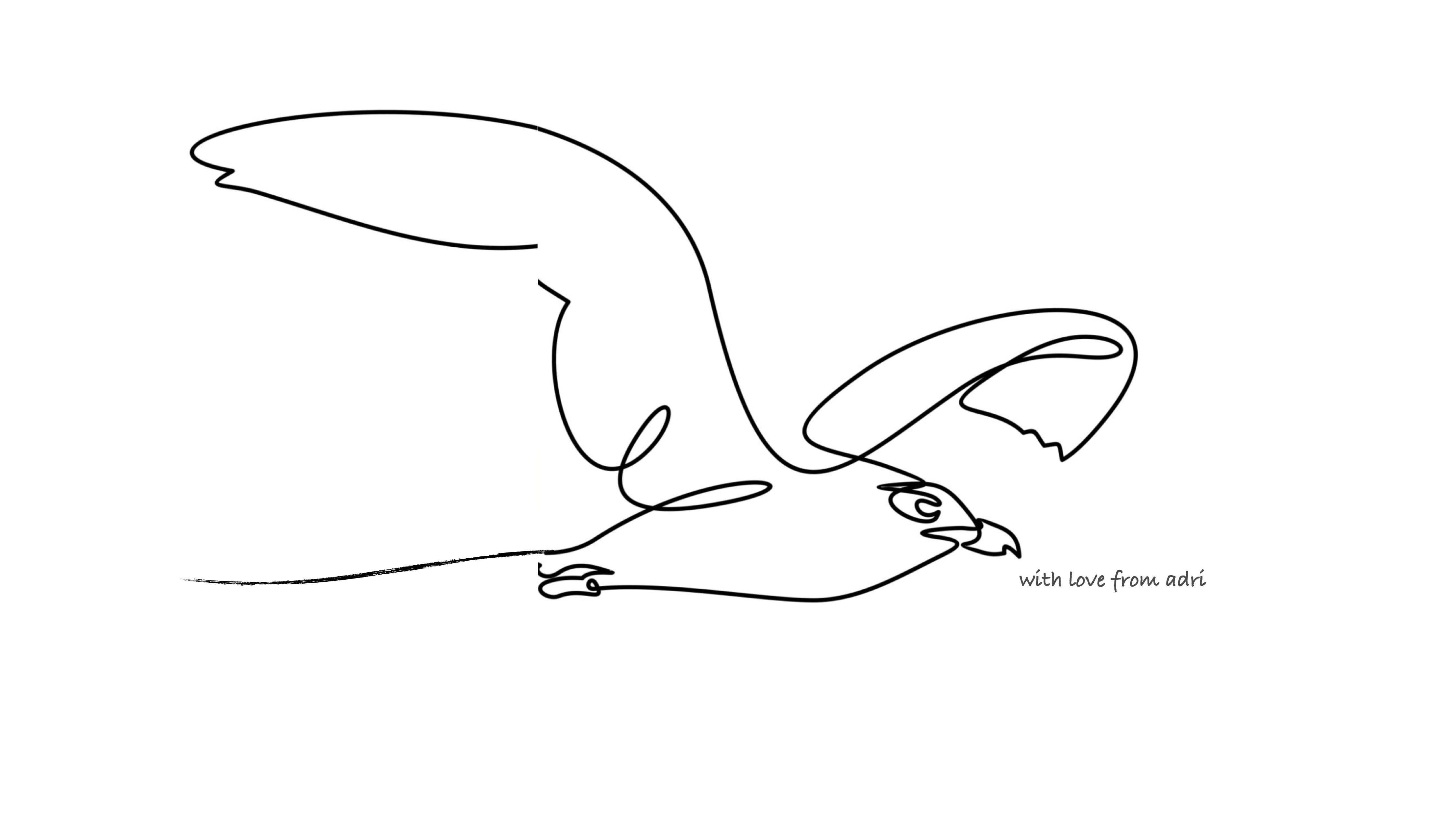
I then asked you what you thought about what had just happened. One of you said, smiling, “It’s a mess. We sound like two seagulls screaming into the wind.” And the other added, “We don’t even know where to start.”
“Yes,” I simply replied.
It was indeed a mess, and we needed to bring some order back into all of it to take your disagreement from the most relevant end.
And to follow your animal metaphor, the two seagulls you had been – who had screamed, flapped around and, to use your word, shit everywhere in the room as it came to them – needed to make the effort to become two responsible leaders again, capable of listening carefully and returning to this conversation with the maturity your roles require.
But that listening clearly could not, that day, come through more words.
So I suggested the following.
“Let’s step out of speaking. And move to writing.”
I asked you to take five minutes, each on your own, to write what, in your view, was causing the problem between you. Without talking about the other, but by talking about yourself. Without trying to find a solution, but by focusing only on identifying the subjects of disagreement. And to write them down.
Before bringing order between you, we had to bring order within you. And offer the other the respect of sharing a thought that had been worked through, rather than a continuous flow of poorly adjusted words and emotions.
Silence settled in. The energy shifted.
Writing forces you to choose your words. To sort. To let go of certain approximations. To move from raw emotion to a precise and owned formulation. You can no longer hide behind speed or intensity of speech. You have to think before you share.
I then asked you to reread what you had written. And I asked this single question: “among everything you just wrote, what is, in your view, the real object of your disagreement?”
As you reread your notes, you realized you were almost talking about the same subject. That alone was progress: being able to agree on the object of the disagreement: the sale of your company. One saw it through the lens of making it sellable, meaning creating the conditions for it to be soon ready. The other saw it through the lens of when to sell, focusing on the right timing window. One reasoned progressively: for it to sell, we need to demonstrate these elements. The other reasoned backward, starting from a target deadline and prioritizing accordingly. But in the end – and you realized it, laughing – you were talking about the same thing and agreed on the substance.
Making a disagreement tangible means making it workable. As long as it floats around as an unidentified object, it generates tension. Once written down, it becomes something you can hold. You can look at it together. It is no longer “you against me,” but “us facing the issue.” From there, you lifted the ambiguities on that specific point. Bravo.
When there is disagreement, the first leadership reflex should not be to speak louder or argue better, but to listen better and make sure you are talking about the same object. And for that, sometimes speech becomes inaudible, and writing becomes essential. It helps each person make their thinking visible, create a shared support that you can read, reread, discuss, amend and correct to maximize your chances of realignment.
The next time a discussion goes in circles and becomes difficult, I invite you to set aside your inner seagull (we all have one) and adopt this simple reflex of the great leader you are: make your disagreements tangible through writing, so you can then work on them pragmatically, precisely and calmy.
Take care,
Adri